Monday, 21 May 2007

Kadavu lived up to it’s reputation as one of the best dive areas in Fiji

From: Ian Cumming

Sent: Tuesday, May 08, 2007 4:40 PM


Bula Jeanie,

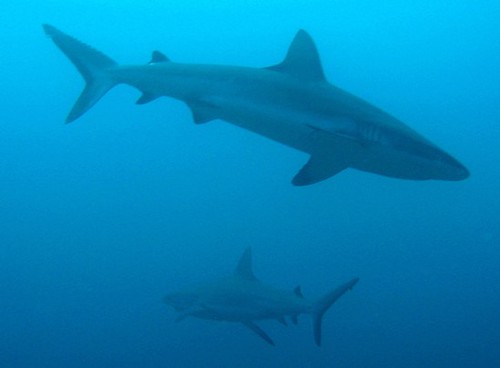
Just a quick message to say thanks for having me and the dive at the pass was great, in fact Kadavu lived up to it’s reputation as one of the best dive areas in Fiji and just about anywhere else actually.

Look forward to catching up soon and say hi to all please.

All the best

________________________________

Ian Cumming

Regional Manager

___________________________________

PADI Asia Pacific

The Way the World Learns to Dive®

Unit 3, 4 Skyline Place

Frenchs Forest NSW 2086

Australia

Tel:

61 2 9454 2821 Ext: 821

Fax:

61 2 9454 2999

Mob:

0438 644 456 (Australia)

Mob:

021 618 025 (New Zealand)

Mob: 9355591 (Fiji)

Visit PADI: padi.com

Tuesday, 15 May 2007

Part 11: A discussion on diving and air consumption: Photography


‘
Well what about it?’ I hear you ask.

And my answer may be unpopular with a lot of people. In my opinion most divers take cameras into the water before they have sufficiently honed their diving skills. Destruction of the reefs aside (as out of control diver/photographers crash into it) this is a discussion on air consumption.

A camera is another piece of gear to cope with. It causes drag, is a distraction and can task load someone who still has skills such as buoyancy to master. All of these factors will cause an increase in air consumption.

With the revolution in digital cameras and housings, underwater photography is within reach of many divers and of course it is great fun. If you are concerned about your air consumption and dive with a camera, do an experiment. Leave the camera on the boat for 1 dive and see if it makes a significant difference. If so (and I believe even the most experienced photographers use more air when taking photos than diving without a camera) you have a simple decision to make – enjoy the fun of photography or enjoy extra dive time.

In time you will be able to do both but maybe leave the camera behind sometimes so you can hone your diving skills.

Of course that’s going to be the dive when you bump into a school of hammerheads, 20 mantas………..

Friday, 11 May 2007

Indo Pacific – CORAL REEF – Field Guide – Gerald R. Allen / Roger Steene

Gerald R. Allen / Roger Steene
ISBN 981-00-5687-7


This book covers not just fish but the full spectrum of underwater natural history.
As a field guide it is not detailed and is for use as a quick photo reference.
The great thing is that the pages are water resistant so you can take it out on the boat or kayak for instant reference

Wednesday, 9 May 2007

Establish a Global Ban on Shark Finning

Petition Target: Ban Ki-Moon, UN Secretary General

It's too barbaric to imagine, but it still happens. Fishermen catch a shark, slice off its fins, and then, cast it back into the water to die. This horrific practice is already prohibited in federal waters of the Atlantic, Gulf of Mexico and Carribbean, but sharks need more protection from finning and other threats.

Your signature can encourage all countries to prepare and implement plans for shark conservation and management as recommended by the United Nations Food and Agriculture Organization.

This petition also implores these nations to ban the cruel, wasteful and destructive practice of shark finning in local and international waters. This practice wastes 95-99% of the animal and makes proper management extremely difficult.

Sharks play a critical role in ocean ecosystems. Their numbers are beginning to dwindle. Please help them today!!

Sign Now to encourage Ban Ki-Moon and the UN General Assembly to take action immediately to protect the shark populations across the globe and stop shark finning

Tuesday, 8 May 2007

Reef Fish Identification (Tropical Pacific)

Gerald Allen / Roger Steene / Paul Humann / Ned Deloach
ISBN 1-878348-36-1


  • This book is packed full of great photographs
  • covers a detailed list of species
  • More for photo id than detailed descriptions but it has shows juvenile and variations better than probably any other book

Saturday, 5 May 2007

Part 13: A discussion on diving and air consumption: Breathing techniques


Note how far down the list I have put breathing techniques and this is the one people feel holds the magic answer. I firmly believe that if you address all the previously discussed headings, relax and get the basics right, you will see an improvement in your air consumption.

Again, yoga teaches breathing techniques as part of relaxation and there are some things you can try underwater. It is widely accepted that in diving, breathing should be slow and deliberate (as in yoga) using the full normal range of the lungs. I and others have found that reversing your normal pattern of breathing can really help you use air more efficiently hence conserving it.

At rest, your normal breathing pattern will be; breathe in, breath straight out, pause with empty lungs for second or 2 and then repeat.

Try reversing this by breathing in slowly, pausing at the top of the breath, breathing out slowly then immediately in slowly again with no pause at the bottom of the breath. I find I adopt this pattern automatically when diving – try it and see if it works for you.

Wednesday, 2 May 2007

Fiji’s Natural Heritage – Paddy Ryan

Paddy Ryan
ISBN 0-908988-14-1

  • A superb coffee table reference book on Fiji’s natural history
  • both marine and terrestrial