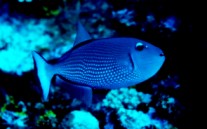
Friday, 27 April 2007

Part 12: A discussion on diving and air consumption: Physical Fitness


It would seem to make intuitive sense that good cardiovascular fitness would lead to better air consumption. It is however a difficult one to prove as there are so many variables at play. I can’t find any strong studies on this subject and think that it would be fascinating to conduct one.

On one hand you have fitter people being able to make better use of air relating to exercise but on another you have increased muscle ratio and higher metabolism burning more calories at rest.

Yoga has certainly shown many benefits in diving; it helps stress management, improves mental alertness, teaches you how to relax, improved use of senses, increases flexibility and concentration on breathing techniques.

Overall it would seem to make sense that as in any sport, a diver should maintain some degree of physical fitness.

Blog Dogs


Thursday, 26 April 2007

Wikipedia, the free encyclopedia

Hey check out this old map of Kadavu!!!


Image:Kadavu-Fiji 1889.jpg - Wikipedia, the free encyclopedia

Friday, 20 April 2007

Reef and Shore Fishes of the South Pacific

John E. Randal

ISBN 0-8248-2698-1

  • A great coffee table book
  • huge with thousands of photos
  • very detailed fish descriptions with behaviours and habitats


Must have books for self confessed ‘Fish Geeks’ ad other natural history lovers

A lot of us divers take great pleasure in identifying the things we see underwater. For me, it is mainly fish id which interests me and I am always hoping to spot the unusual or maybe even discover something new!

Even after 5 years of diving in Fiji I rarely dive without seeing something new and the great thing is that the more you know, the more you discover. There are some great books available to help with fish id and all give you the basic skills necessary to remember key details about the fish during a dive so you can remember it later on.


There are also some less detailed books but which give you a broader overview on marine and terrestrial natural history. Be aware that the common names for fish in the books vary so look to the Latin name to be sure you are comparing the same species from one book to another.


I am going to try to post some of my favourite fish id books for our region in the next few weeks as posts, and will keep on doing it as I fall in love with them.

Thursday, 19 April 2007

Part 10: A discussion on diving and air consumption: Pace / kick style / movement


Divers often show their personalities in the way they dive – there are those who are very busy buzzing about the reef and those who are laid back and going with the flow.

Guess who normally lucks out on air consumption? During training, I often get my students to see if they can increase their dive speed by just 50%. Sounds easy however the effort required leaves them and me gasping for breath after about 30 seconds. That particular dive doesn’t tend to last very long!

Obviously all movement cannot be cut out on a dive else you would never go anywhere. It is very important therefore that movements should be as energy efficient as possible. Because of the density of water, slow steady movements are most efficient – there is no use fighting water, it will win every time and rob you of your air to boot.

Pace your dive and try to develop an efficient fin kick which allows you to kick and glide, kick and gliiide, kick and gliiiiiiiide – you get the idea.

Tuesday, 17 April 2007

Part 9: A discussion on diving and air consumption: Arm movement


If you’ve ever done an aerobics class, there’s a reason the instructor makes you do all those arm movements until you feel that they are going to drop off. It’s exactly the same reasoning that made your diving instructor want to tie you arms to your side during your first dive course.

The introduction of upper body movement can increase your metabolism by up to 30%. Great if you want to burn calories in an aerobics class, disastrous for air consumption on a dive – enough said!